Home > Wildfires and the Wildland Urban Interface

Wildfires and the Wildland-Urban Interface (WUI): Health Risks and Indoor Air Quality

Key Takeaways

  • WUI fires can produce more complex emissions than vegetation-only wildfires
  • Wildfire smoke contains fine particulate matter that is 2.5 micrometers or smaller (PM2.5), volatile organic compounds (VOCs), and hazardous chemicals and metals
  • Indoor air and surfaces can remain contaminated long after a wildfire event
  • Settled dust can act as a long-term exposure pathway
  • Filtration, ventilation, and cleanup are critical to reducing exposure risk

Understanding WUI Fires

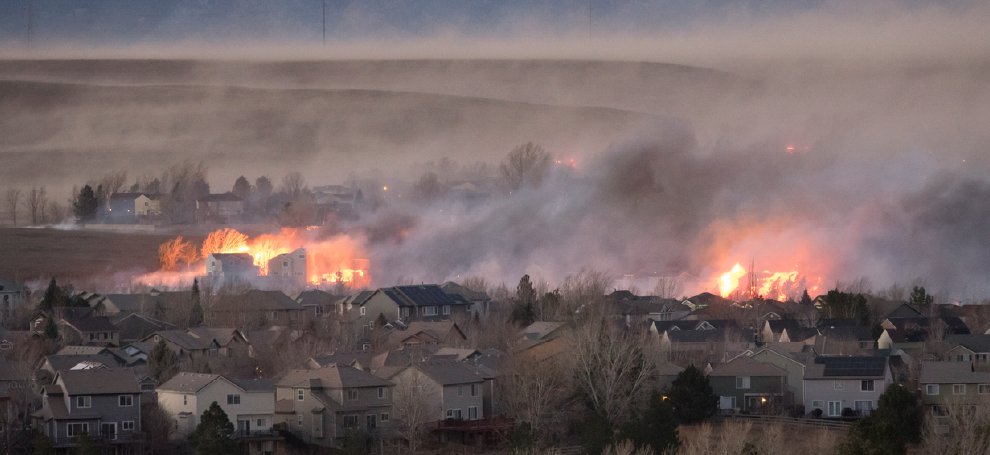
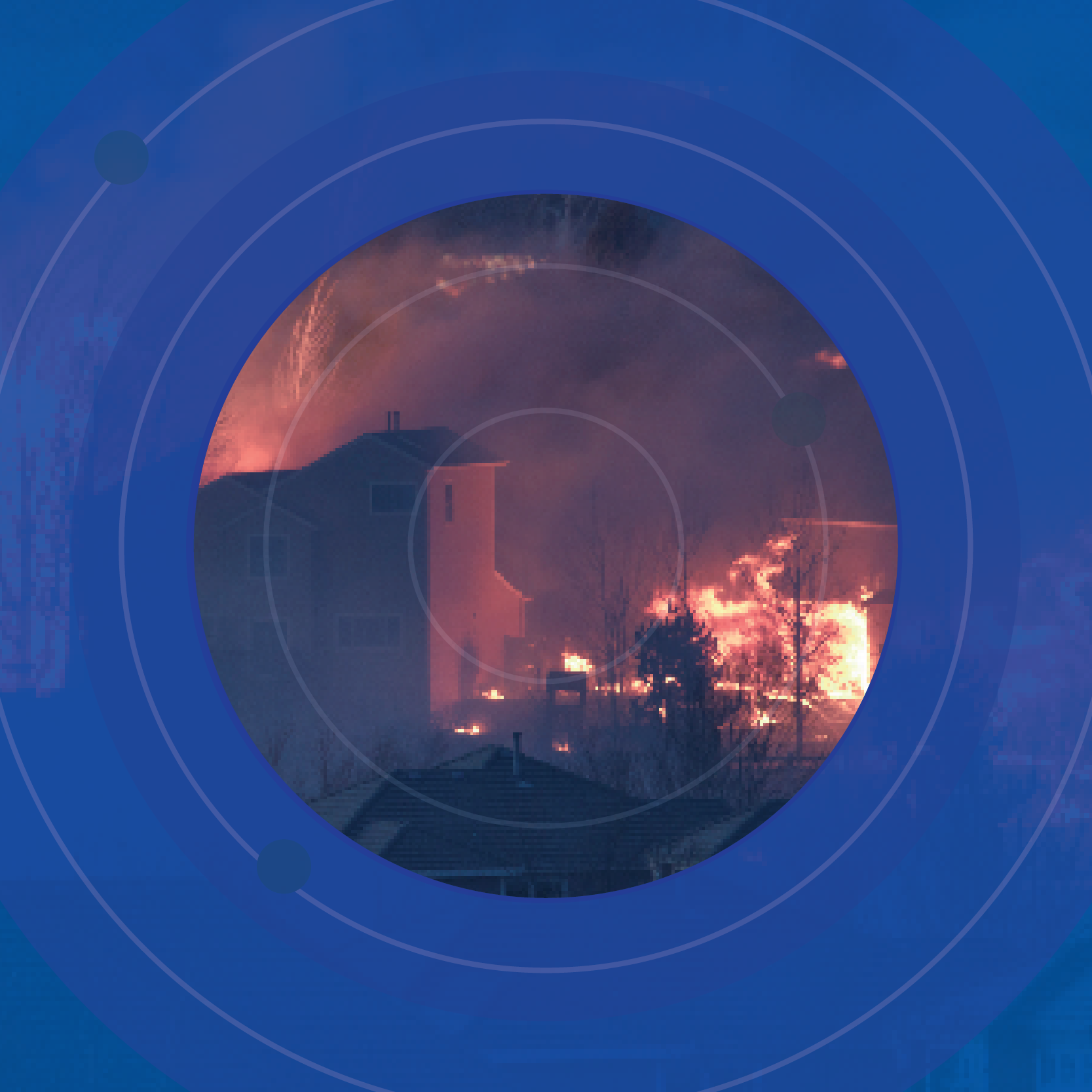
Over 1,000 homes and businesses were destroyed by the Marshall fire outside Boulder, Colorado which was sparked by downed power lines in high winds on December 30, 2021.


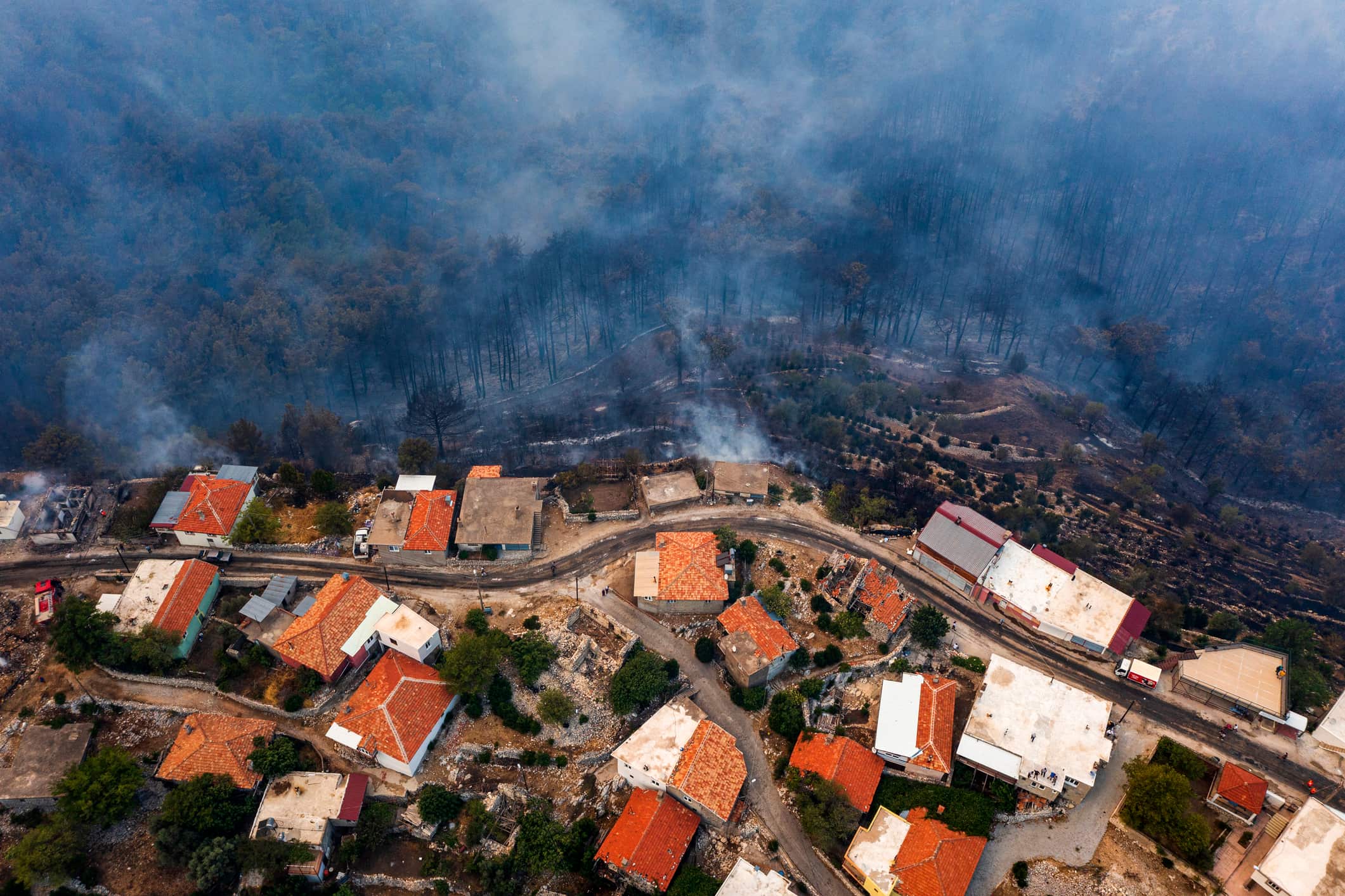
Today, wildfires are becoming larger and more destructive as they burn in the WUI – where human development meets or intermixes with undeveloped wildland fuel. Wildfires are increasing in both frequency and severity due to climate change, the expansion of interface communities, and historical land management practices. 

The economic, environmental, and human health impacts of these fires are substantial. Today, close to one-third of the U.S. population, residing in nearly 50 million homes located in the WUI, is directly at risk of experiencing a wildfire.1,2 Even more of the population may be indirectly affected by poor air quality issues as the result of wildfire smoke. 

Understanding how wildfire smoke and lingering residues affects indoor air quality, human health, and long-term exposure risks is critical for reducing harm. Research from Chemical Insights highlights how wildfire-related pollutants can linger in homes, settle into dust, and continue to impact occupants even after visible smoke has cleared.

What Is the Wildland Urban Interface (WUI)?

The wildland urban interface (WUI) refers to areas where human development meets or mixes with undeveloped wildland vegetation. These regions are growing rapidly due to population expansion and land use changes. 

WUI areas are particularly vulnerable to wildfires because they combine: 

  • Vegetation
  • Residential structures
  • Infrastructure and synthetic materials 

Unlike traditional wildfires that primarily burn vegetation, WUI fires also consume homes, vehicles, and synthetic materials,3 releasing a complex mix of harmful pollutants into the air. This combination can make WUI smoke more toxic, may lead to more persistent residues and increases both the likelihood of fire spread and the complexity of resulting fire-associated exposures.

WUI Fires Are More Hazardous Than Typical Wildfires

WUI fires can be more catastrophic because they can burn through entire towns and neighborhoods and involve urban materials (or fuels) such as homes, cars, and other human-made structures. Compared to the vegetative biomass that combusts in a wildland fire, combustible materials found in the WUI have different elemental compositions and densities,4 and are present in different quantities and arrangements. 

For example, chemical elements and materials of concern, such as halogens, plastics, and metals, exist in much higher concentrations in the WUI, resulting in different emissions, exposure outcomes, and health effects. Additionally, materials unique to urban areas, such as polyvinyl chloride or polyurethane, often contain much larger amounts of chlorine or nitrogen, which are known to impact combustion chemistry. 

While all wildfires produce smoke and a large mix of pollutants, including volatile and semi-volatile organic compounds (VOCs and SVOCs respectively) and particulate matter (PM), when a wildfire spreads to include the urban fuels in the WUI, an entirely different mix of pollutants are released. Environmental pollutants come in many forms, including: 

  • Atmospheric emissions
  • Residues
  • Effluents (liquid waste)

What’s in Wildfire Smoke? (PM2.5, VOCs, and Toxic Chemicals)

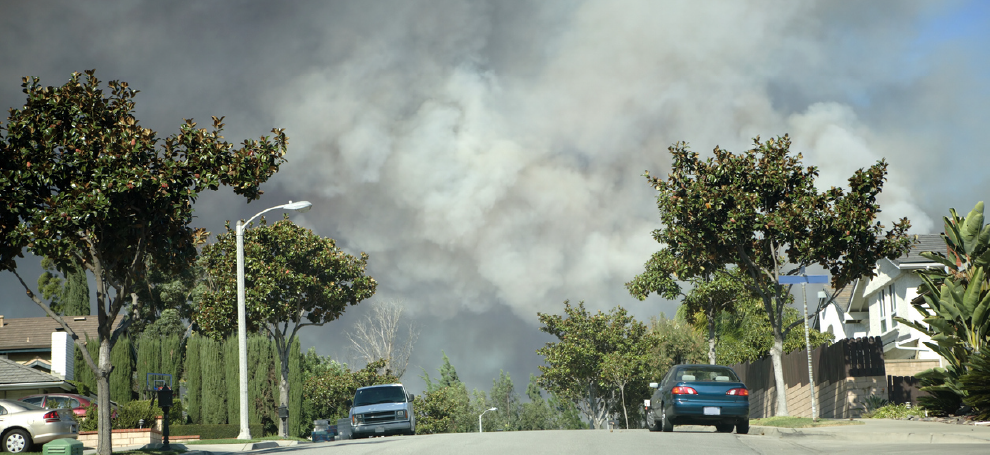
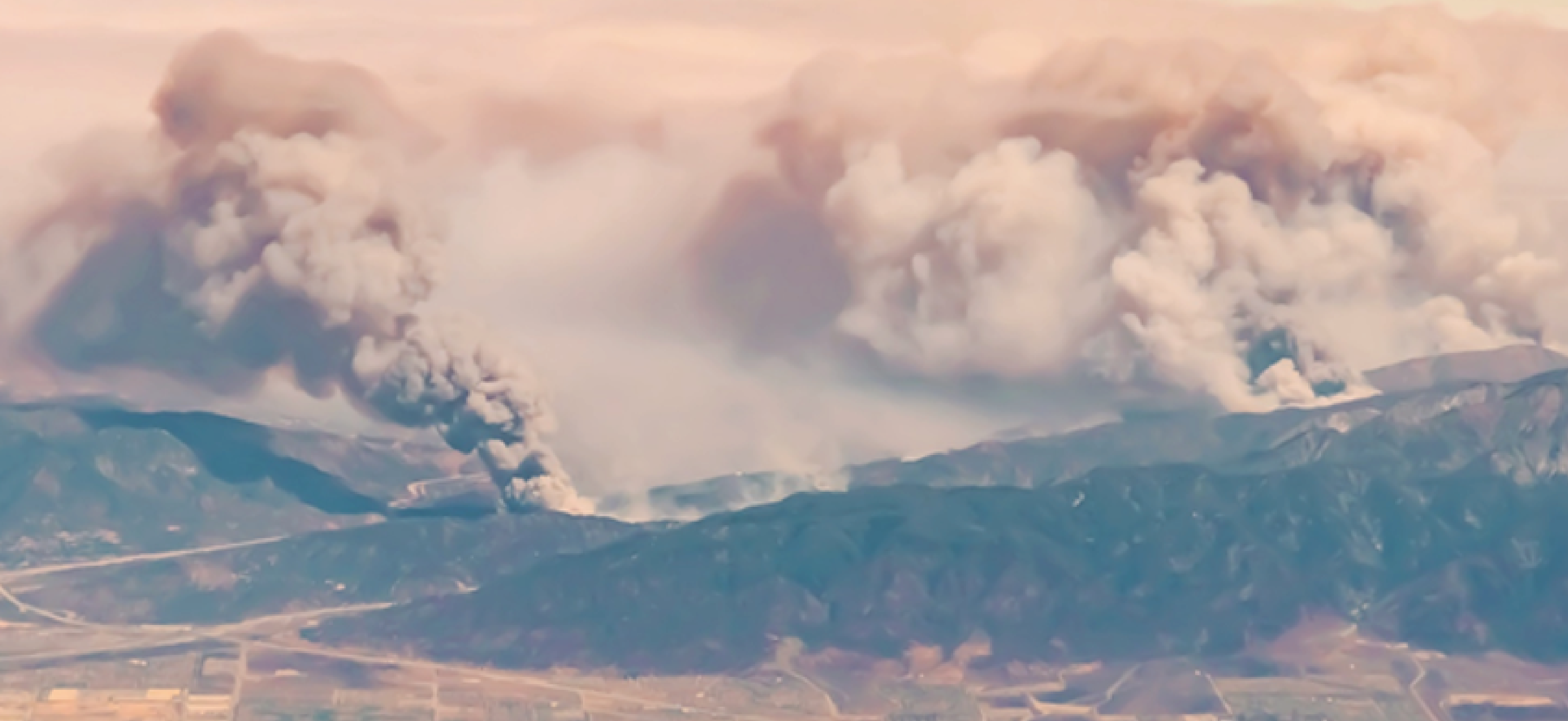
Large plumes of smoke can be seen over a typical Orange County, CA neighborhood.


WUI fires differ from traditional wildfires because they burn a wider range of materials. As a result, WUI fire emissions are more chemically complex and potentially more harmful to human health than smoke from vegetation alone.  

Compared to traditional wildfire smoke, WUI smoke can contain a different mixture of: 

  • PM2.5 Carbon monoxide (CO)
  • Volatile organic compounds (VOCs) such as formaldehyde and benzene
  • Polycyclic aromatic hydrocarbons (PAHs)
  • Metals and other combustion byproducts 

How People Get Exposed to WUI Emissions

As a wildfire burns, it generates a giant plume of emissions, including particles and chemicals, called a plume. Once these emissions are released into the environment, the plume evolves over time through a process called atmospheric transformation.4

Initially, gas-based compounds condense onto other particles in the atmosphere. Then, some compounds react with atmospheric compounds to create new compounds as other compounds photochemically react in the sunlight. The process continues as the plume mixes with other urban pollutants in the air, such as vehicular or industrial emissions.

As the plume moves further downwind, the process slows and ultimately particles begin to fall from the sky, leaving residents in proximity to the plume vulnerable to different types of exposure.

Icon of lungs showing inhalation

INHALATION

People may breathe in hazardous particles and chemicals, including suspended dust, ash and VOCs.

Icon of a stomach showing ingestion

INGESTION

People may swallow settled dust, typically from hand-to-mouth behavior. They may also drink contaminated potable water.

Icon of a hand showing dermal transfer

SKIN TRANSFER

People may come into contact with settled dust and ash. They may also shower or wash hands with contaminated potable water.

Health Effects of Wildfire and WUI Smoke

While larger particles may be visible as ash, wildfire smoke is a major source of fine particulate matter (PM2.5). These tiny particles can be harder to detect and can take longer to settle as dust. Fine particulate matter can penetrate deep into the lungs and enter the bloodstream. 

Short-term health effects include: 

  • Eye, nose, and throat irritation
  • Coughing and shortness of breath
  • Headaches and fatigue 

Long-term or repeated exposure may contribute to: 

  • Cardiovascular disease
  • Respiratory conditions such as asthma
  • Increased risk of chronic illness

How small is 2.5 micrometers? The average human hair is about 70 micrometers in diameter – making it 30 times larger than the largest fine particle.

Who is Most at Risk from Wildfire and WUI Emissions

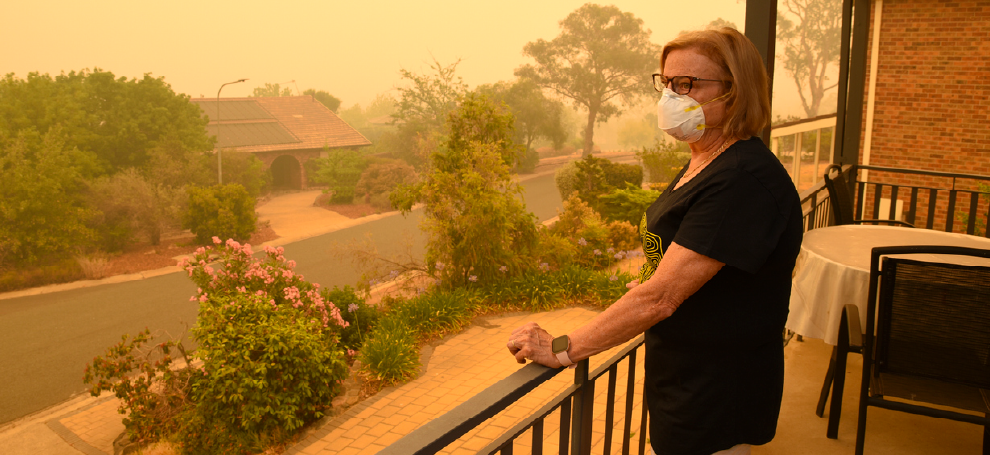
Canberra, Australia, 5/01/2020, Smoke coming from nearby forest fires creates high pollution and covers Canberra with a thick fog. People need to wear mask to breathe.


Wildfire emissions don’t recognize borders. Plumes can travel great distances, even spanning across entire continents. However, those who have been exposed directly to WUI emissions have an increased risk of adverse health effects.5 

Since WUI fires cannot be left to naturally burn out, nearby workers, such as firefighters, emergency response teams, and clean-up recovery crews are increasingly exposed to emissions, smoldering and resulting residues, and dust. Additionally, outdoor workers in surrounding areas, such as farmers and landscapers, may be at a greater risk. 

Certain populations are especially vulnerable, including children, older adults, and pregnant women.5 Individuals with pre-existing health conditions are also at higher risk, including those with: 

How Wildfire Smoke Affects Indoor Air Quality

Even when doors and windows are closed, wildfire smoke can infiltrate homes through gaps in doors and windows, openings such as vents and ducts, and HVAC systems. 

Once inside, pollutants can accumulate in the air, absorb onto surfaces, and settle into dust. This means that indoor environments may remain contaminated long after outdoor air appears clear, extending exposure risks beyond the active fire event.

How to Reduce Exposure to Wildfire Smoke Indoors

There are several ways to reduce or avoid exposure to wildfire emissions, including PM2.5, with varying levels of feasibility. Air filtration (or “air cleaning”) is one of the most practical and effective ways to safeguard indoor air quality during and after a wildfire. Air filters are designed to capture pollutants and remove them from the indoor environment. Since PM2.5 is so small, specialty or high-quality air filters are needed to capture it. 

Indoor air can be filtered by: 

  • Fitting an HVAC system with a pleated filter with a Minimum Efficiency Reporting Value (MERV) of 13 or higher (if the existing system is designed to support it)
  • Using a stand-alone air cleaner with High Efficiency Particulate Air (HEPA) filtration and activated charcoal filtration.
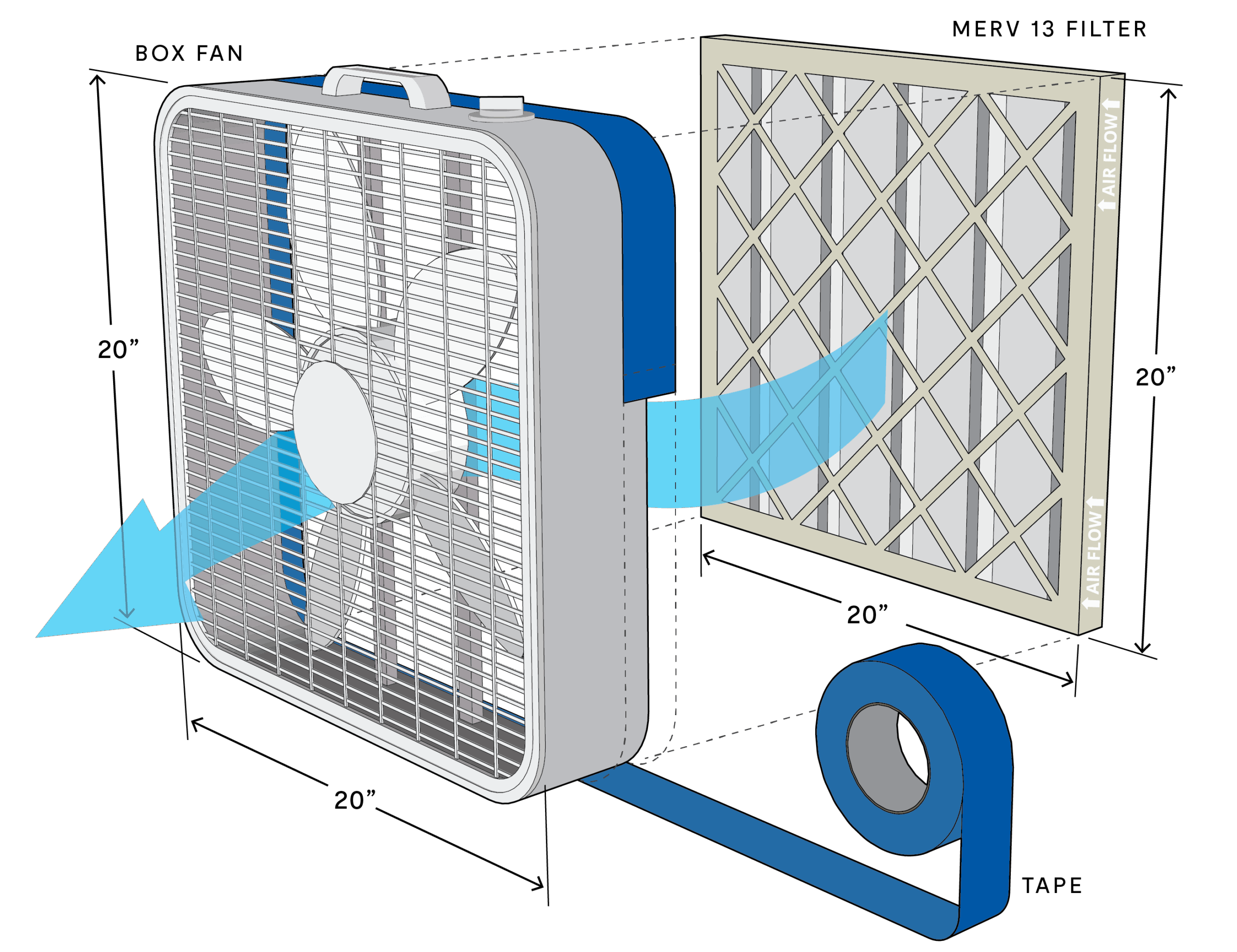
  • Using a do-it-yourself (DIY) air cleaner (a furnace air filter[s] attached to an electric box fan) 

Applying higher performance filtration on supply ventilation in homes can reduce outdoor particles by up to 97%, and portable air cleaners can reduce indoor PM exposure by 48% – 78%.6

How to Make and Use DIY Air Cleaners

DIY Air Cleaner

Many people are using DIY air cleaners to remove particles from wildfire smoke. However, since consumers are retrofitting box fans not intended or evaluated for this purpose by the manufacturer, there have been some concerns about their safety during use.

Chemical Insights, with support from UL Research Institutes’ Fire Safety Research Institute, partnered with the U.S. Environmental Protection Agency’s (EPA’s) Office of Research and Development to provide scientific information to help people stay safe during wildfire events. Later, Chemical Insights and UL Standards & Engagement published UL 200A Guidance Document, “Use of Do-It-Yourself Filtration Devices During Wildfires,” which presents evidence-based, actionable procedures to help construct and safely use DIY air cleaners during wildfire smoke events.

Get the Guidance Document on DIY Air Cleaners

Video Demonstration of How to Make and Use a DIY Air Cleaner

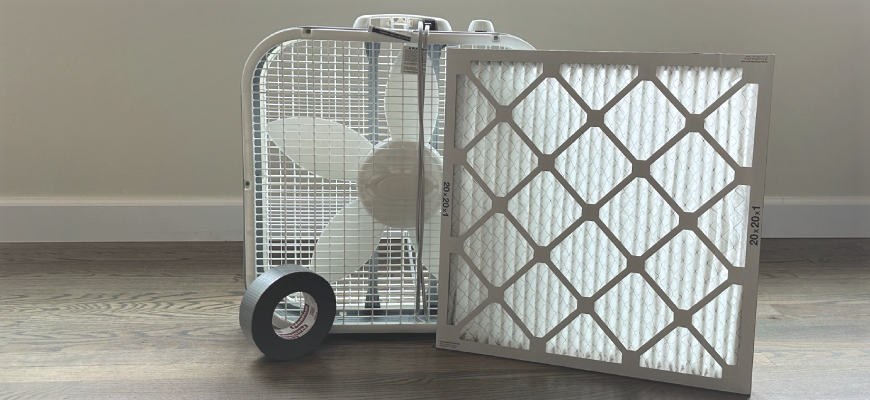
Box fan, duct tape and an air filter used to make a DIY air cleaner

We demonstrate how to make and use a DIY air cleaner to protect your indoor air quality during a wildfire smoke event.

Play Video

Cleaning Up After Wildfire Smoke Exposure

Person with gloves putting laundry in the washing machine.

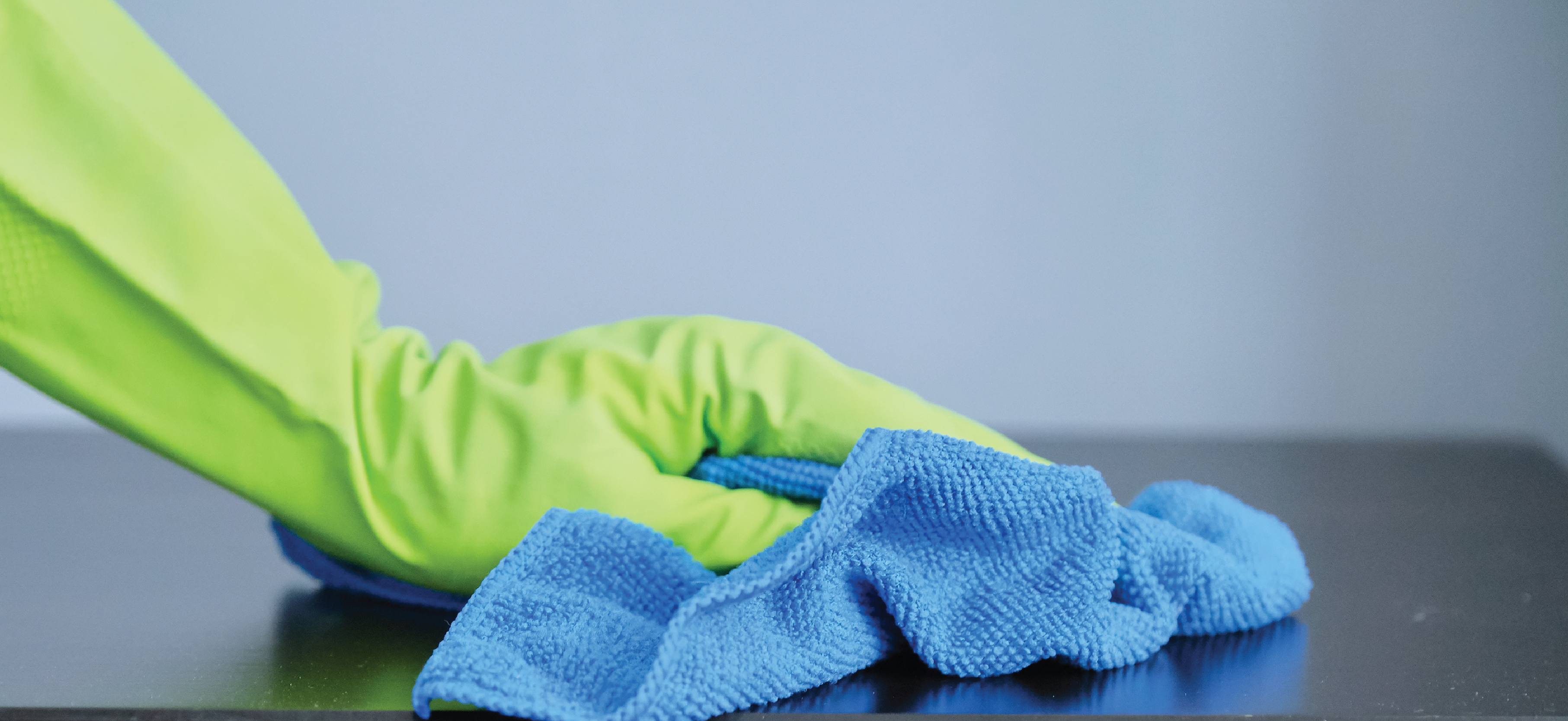
After a wildfire event, pollutants can remain in the home as settled dust and surface contamination. 

Key cleanup steps: 

  • Wet wipe surfaces to remove residue
  • Use HEPA vacuums for dust removal
  • Wash fabrics and soft materials
  • Replace HVAC filters 

Without proper cleanup, these particles can become resuspended in the air, prolonging exposure.

Removing Settled Dust

While people may primarily associate air and water contamination with the combustion products of a wildfire, there is an often-overlooked hazard of residual dust.7 During and after a wildfire, even after the sky clears, a hazardous mixture of PM, dust, and ash can infiltrate homes and other buildings for several days or weeks. If not properly removed, this dust can settle on surfaces, contaminate textiles like carpet and upholstered furniture, and even resuspend in the air, presenting a continued exposure risk for residents. The majority of household dust comes from the outside through windows, doors, vents, and on the soles of shoes. Therefore, in the aftermath of a wildfire, it is particularly important to take additional steps to remove settled dust.

The negative health effects from exposure to settled dust may include eye, nose, and throat irritation, exacerbation of asthma, eczema, chronic obstructive pulmonary disease, and cardiovascular disease, such as heart attacks and strokes. Dust is also an important route of exposure to toxicants. Since settled dust is hard to clean up and can remain in environments for an extended period, it presents a long-term (chronic) exposure risk for people, beyond the short-term (acute) risk posed in the immediate aftermath of a wildfire.

Chemical Insights Research on Emerging Public Health Threats from WUI Fire Exposure

Chemical Insights is embarking on three, first-of-their-kind research studies to uncover unknown public health risks from WUI fires and define crucial steps to protect the health and safety of people whose homes and communities have the potential to be affected by the catastrophic nature of these fires.

The Effect of Wildfires and the WUI on Indoor Air Quality and Health

Chemical Insights researchers, in partnership with the U.S. Environmental Protection Agency (EPA), are characterizing the indoor and outdoor air’s chemical and particle makeup and assessing related health impacts in a wildfire-prone community. Chemical Insights’ laboratories are developing toxicity methods for evaluating chronic health concerns of fire debris, including residual dust, that can infiltrate homes and buildings. Research findings will lead to processes for managing and reducing public health risks from exposure to WUI fire smoke. 

As part of this research, Chemical Insights conducted a pilot study of six homes. We identified more than 475 VOCs in the indoor and outdoor air samples. VOC levels were much higher indoors than outdoors, and formaldehyde levels exceeded recommended exposure levels in half of the homes.

Read the Pilot Study Findings

The Characterization of Atmospheric Contributions of WUI Fire Emissions

Chemical Insights’ sponsored research with West Virginia University is characterizing vapor and aerosol emissions from the combustion of forest biomass with common building materials such as construction lumber and insulation. This first-of-its-kind research simulates real-world WUI fire emissions in geographically targeted regions to analyze emissions that people would likely be exposed to. It fills a gap in knowledge of what emissions result during an actual WUI fire when naturally derived and synthetic materials from the built environment burn together.

Discover More About This Research

National Academies Report

In 2022, UL Research Institutes’ Chemical Insights contributed to a report released by the National Academies of Sciences, Engineering, and Medicine, “The Chemistry of Fires at the Wildland-Urban Interface”, which resulted in a research agenda to address knowledge gaps.

Download the Report

Indoor Filtration to Reduce PM 2.5 Cardio Metabolic Effects in High-Risk Individuals

Air pollution is contributing to the epidemic increase in type 2 diabetes. Scientific studies indicate a link between type 2 diabetes and PM2.5 exposure. This is of serious concern in wildfire-prone areas where PM2.5 is a major emission from WUI fires. Jointly with Duke University and the University of Southern California, Chemical Insights is conducting a residential study on the use of HEPA filtration to improve the cardio-metabolic profiles of residents. The study will also help identify novel biomarkers to predict disease and risk of pollution-induced diabetes.

Safeguarding the Built Environment

Chemical Insights partners with the Insurance Institute for Business and Home Safety (IBHS), the National Fire Protection Association (NFPA), the U.S. Environmental Protection Agency (EPA), and other organizations to communicate the effects of WUI wildfires on both human health and the built environment. 

Mitigation strategies for the built environment involve: 

  • Creating defensible space: Providing a protective buffer between buildings and vegetation.
  • Hardening the structure: Utilizing ignition-resistant materials and vent covers.
  • Preventing ember-driven ignition: Continuously removing debris from the roof and base of the building.

Frequently Asked Questions

Additional Resources