
Investigating the Respiratory Effects of Resin Off-Gassing

This blog is part of our “ISES 2026 Research Highlights” series, exploring research our scientists shared at this year’s annual meeting. This installment highlights “Toxicity of Volatile Organic Compound Emissions from a Dental 3D Printing Resin in a Human Alveolar Tissue Model,” presented by Maureen Meister, Ph.D., RD.

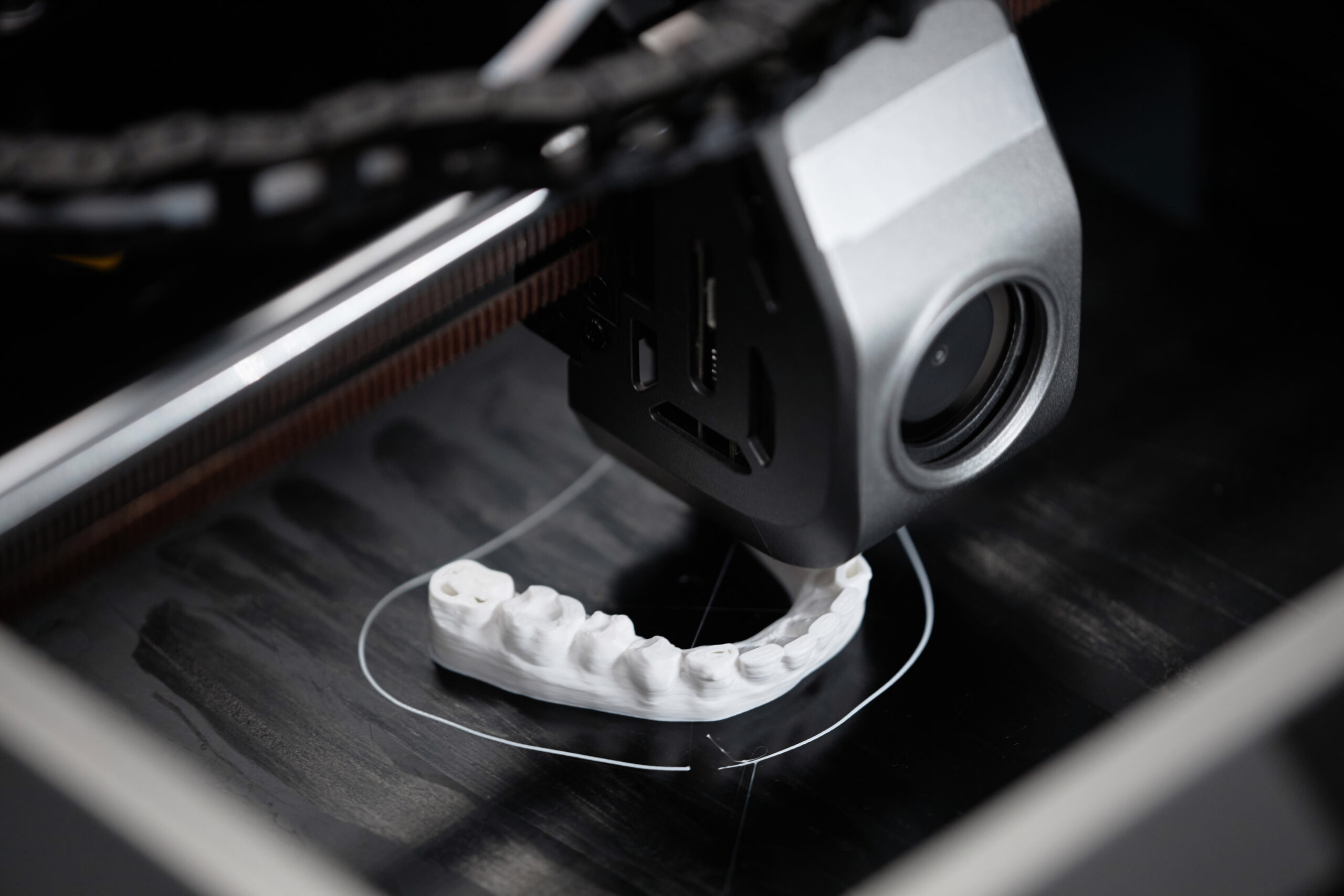
Dental laboratories use stereolithography, a 3D printing technology, to produce models, surgical guides, and resin-based restorations. The printers cure liquid photosensitive resin with light, one layer at a time. Volatile organic compounds (VOCs) can be released throughout the process, from handling the resin before printing to running the printer and post-processing the finished parts.  

Workplace exposure studies have linked inhalation of VOCs to respiratory irritation, airway inflammation, and sensitization that can lead to occupational asthma. Chemical Insights scientists previously assessed indoor air quality at two dental schools and detected VOCs associated with 3D printing in both laboratories. Building on those findings, the current study expanded the research to investigate how human lung tissue responds to these emissions.  

Exposing lung tissue to resin emissions

The team selected a resin used to print surgical guides because it had the highest total VOC concentration emitted in earlier testing. As samples off-gassed in a microchamber, the resin released a mixture of chemicals.  

The off-gas was carried from the microchamber into a temperature- and humidity-controlled in vitro exposure system containing EpiAlveolar cultures, which are 3D human tissue models that reproduce key features of the small airway. The cultures were exposed to the airborne mixture for four hours and incubated overnight before analysis. Sham controls received house air under the same conditions, with six replicates per group. 

Stress responses without cell death

The exposed tissues remained about as viable as the sham controls after overnight incubation, but several other measurements pointed to a clear biological response. The cells produced more reactive molecules that can damage proteins, lipids, and DNA, a sign of oxidative stress. Markers tied to the cells’ antioxidant defenses shifted as well, suggesting the tissues were adjusting to that added burden. 

The exposure also affected pathways that cells used to break down foreign chemicals and respond to stress. An enzyme involved in metabolizing many inhaled and ingested compounds became more active, along with a signaling pathway that helps cells react to harmful conditions.  

What the results tell us and next steps

Within four hours, emissions from the resin caused oxidative stress in human lung tissue models and activated pathways that cells use to process foreign chemicals. Based on these findings, resin off-gas should be evaluated further as a potential inhalation hazard in dental laboratories. 

The team will build on this work by comparing resin formulations and testing repeated exposures at concentrations relevant to dental laboratories. Chamber studies now underway cover the full printing workflow, including emissions from the rein and from the printing and post-processing steps. Together, these studies will give a better picture of the exposures technicians face at work. 

More ISES 2026 Research Highlights